Home / What a Gate Picket Actually Does, and Why Its Shape Matters
What a Gate Picket Actually Does, and Why Its Shape Matters
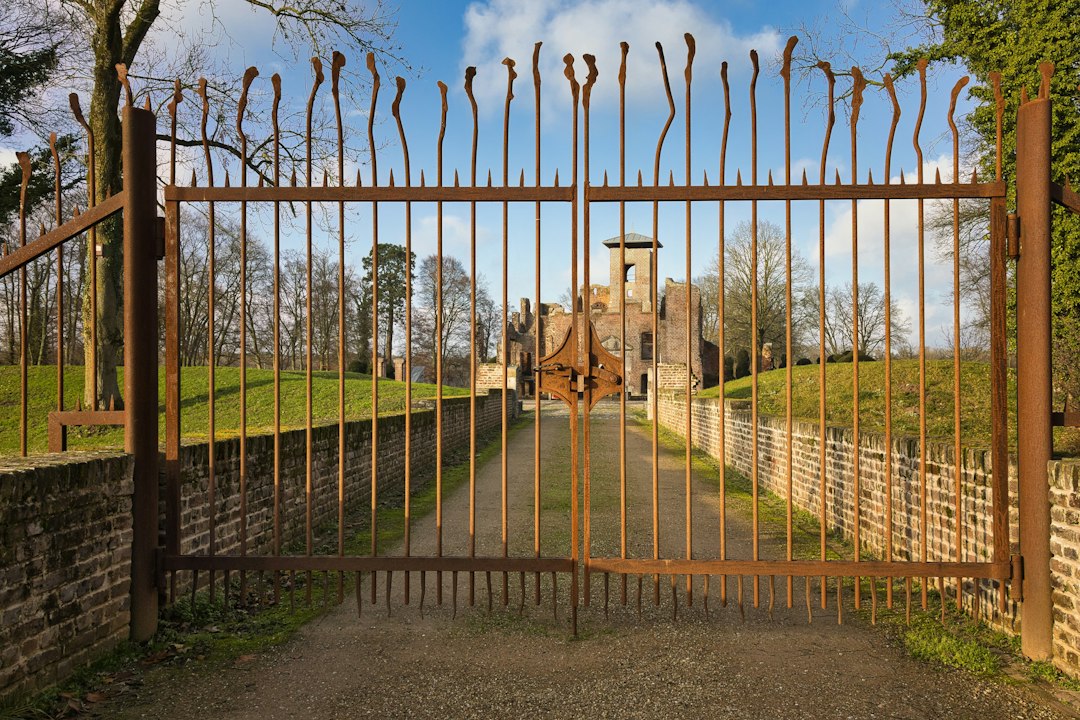
Run a hand along a gate and the first thing you feel is the pickets. They are the thin vertical bars that fill the space between the top and bottom rails, and they do far more work than their size suggests. Below is a plain walk through what a picket is, how the common shapes differ, and what to look at when you are comparing one gate against another.
What a picket is, in plain terms
A picket is a single upright bar set between two horizontal rails. On a metal gate the rails form the frame, and the pickets are welded or fastened to them at regular intervals. Take the pickets away and you are left with a rectangle that keeps nothing in and nothing out.
Pickets have three jobs at once:
- They block passage, because a person, a pet or a small child cannot fit between two bars that are set close enough.
- They carry the look of the gate, since the rhythm of the bars is what the eye reads first from the street.
- They add stiffness, because a row of welded uprights stops the frame from racking out of square over the years.
If you want the fence side of the same idea, an earlier post on picket fencing for yards covers how the same bars behave along a long run rather than in a single swinging leaf. That one is worth reading if you plan to match a gate to the fence on either side of it.
The common picket profiles
The profile is the cross section of the bar, the shape you would see if you cut it through. It affects strength, weight, how the bar takes paint and how much time a fabricator spends on it. Four profiles turn up again and again.
Square bar
Square bar is the workhorse. It is easy to cut, easy to weld and gives a clean modern line. Solid square bar is heavy and very strong, while hollow square tube is lighter and still stiff enough for most residential openings. Because the faces are flat, square bar shows paint evenly and hides small weld marks well.
Round bar
Round bar has a softer look and no sharp corners to catch a sleeve or a hand. Paint tends to thin slightly along the edges of a square bar, but on a round bar the coating wraps around evenly, which helps at the points where coatings usually fail first.
Flat bar
Flat bar is wide and thin, like a long ribbon set on edge. It reads as very contemporary, and when you look at the gate straight on it can seem almost solid. Seen from the side it nearly disappears. That change in appearance is a feature, but it also means the bar needs to be thick enough that it does not flex when someone leans on it.
Twisted and forged bar
A twisted bar starts as square stock that is heated and turned. A forged bar is shaped by hand or press into scrolls, knuckles or collars. These are the pieces that give a traditional wrought look. They take more labour, so a gate with many of them is a decorative choice more than a purely practical one.
How spacing is decided
Spacing is the gap between one picket and the next, measured at the narrowest point. It is the most important number on any gate drawing, and it comes from safety first and appearance second.
The usual reasoning runs like this. A gate that borders a pool, a play area or a front walk used by small children needs gaps narrow enough that a child cannot get a head or body through. Local building and pool barrier requirements often set a maximum, and a homeowner should confirm the figure that applies to the property with the local building office rather than guessing from memory. A gate that only has to look good and keep out a casual stroller can use wider gaps.
A worked example makes it concrete. Picture an opening that is a little over four feet wide, with square bars an inch across.
- Decide the largest gap allowed, which depends on what the gate protects.
- Subtract the width of the two end bars and the frame sides from the opening.
- Divide what remains by the gap plus one bar width, and round up to a whole number of pickets.
- Recalculate the gap with that whole number, so the spacing comes out even instead of leaving one narrow space at the end.
The last step matters more than people expect. A gate with an uneven final gap looks wrong from across the road, even if no one can say why. A good fabricator lays out the bars on paper before cutting any steel.
Picket height and the rails
Pickets do not stand alone. The top rail sets the finished height, and a bottom rail keeps the bars off the ground so water does not sit at their bases. Some gates add a middle rail, which stiffens a tall leaf and gives a place to fix a latch.
Two details are worth noticing on any gate you inspect:
- Whether the picket ends are sealed or capped. An open hollow tube lets rain run inside, and standing water is how rust starts from within.
- Whether the bars pass through the rails or sit between them. Bars that run through are strong but harder to weld neatly. Bars set between the rails give a cleaner look when the welds are ground smooth.
Why coastal weather changes the picture
Gates near salt air age differently from gates inland. Along the harbor edges and tidal creeks around Mount Pleasant, damp mornings and salty breezes work on exposed steel year round. The places that suffer first are the weld joints and the bottoms of the pickets, where moisture lingers.
That is why finish matters as much as shape. The common options are:
- Galvanizing, a zinc layer applied to the steel before painting, which slows rust if the paint chips.
- Powder coating, a baked on dry powder that forms a tough skin and resists scuffs well.
- Wet paint over a primer, which is easier to touch up on site but needs more upkeep.
- Aluminum in place of steel, which does not rust at all and is lighter, though it is less stiff at the same size.
A round or tube picket with sealed ends and a galvanized base layer is a sensible pairing for a house that sees weather off the water. The shape sets the strength, and the finish decides how long that strength lasts.
Matching pickets to the house
Houses in Mount Pleasant range from older cottages on narrow lots to newer builds with wide driveways, and the picket style should suit the architecture. A few pointers help:
- Older, detailed homes usually pair well with forged or twisted accents and a modest number of decorative bars.
- Clean, contemporary houses look best with flat or square bars in a plain, repeated pattern.
- Cottage style yards often suit round bar with a simple top finial or none at all.
- Wide driveway gates with long leaves benefit from heavier square tube and a middle rail so the bars stay straight.
Resist the urge to mix many styles in one gate. One decorative bar every few positions usually looks intentional. Decoration on every bar tends to look busy and also multiplies the number of joints that can rust.
Questions to ask before choosing
When you compare quotes or sample gates, these questions bring out the real differences:
- What is the profile and thickness of the bar, and is it solid or hollow?
- Are the tube ends sealed, and how are the welds finished?
- What is the maximum gap, and does it meet the barrier rules that apply to the property?
- What coating protects the steel, and where is it applied, in a shop or on site?
- How does the gate cope with the weight of the picket field, and what hinges are specified?
A fabricator who answers these plainly is usually one who builds carefully. Vague answers about thickness or coating are a warning sign, because those are the details that decide whether the gate still swings true years later.
A short note on sound and feel
People rarely mention it, but pickets change how a gate sounds and feels. Hollow tube can ring when the latch closes, while solid bar has a duller, heavier thud. Some owners like the solid feel; others prefer the lighter swing of tube. If you can, handle a sample leaf before ordering, because the way a gate moves in the hand tells you more than a drawing does.
Putting it together
A picket is a small part with a long list of consequences. Its profile governs strength and look, its spacing governs safety, its ends and finish govern how well it survives damp coastal air, and its pattern sets the character of the whole entrance. Get those four right and the gate will do its work quietly for years.
For more explainers on gate styles, hinges, latches and finishes, the pages at the mount pleasant metal gates desk collect plain answers to the questions homeowners tend to ask first.