Home / Choosing a Metal Gate That Lasts in Mount Pleasant's Lowcountry Salt Air
Choosing a Metal Gate That Lasts in Mount Pleasant's Lowcountry Salt Air
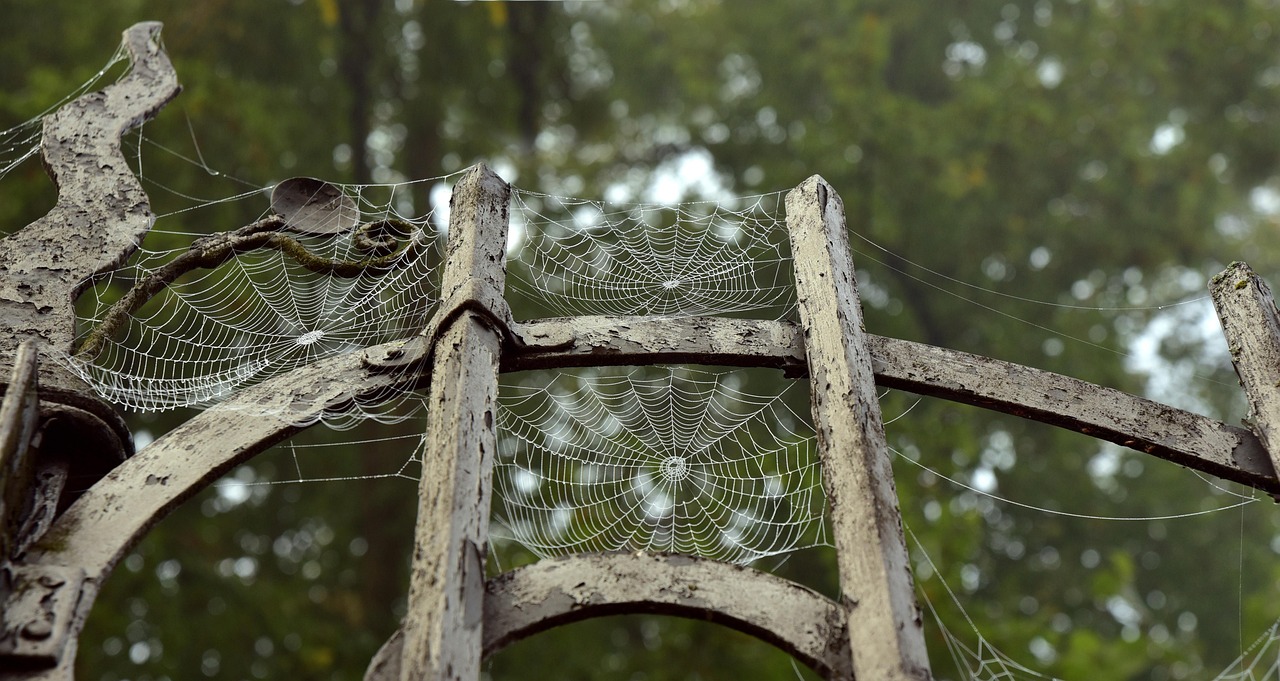
Mount Pleasant sits right on the edge of the Lowcountry, where the Wando and Cooper rivers meet Charleston Harbor and the Atlantic pushes salt air miles inland. That setting is beautiful, but it is hard on metal. A gate that would last decades in a dry inland town can start showing rust bleed within a couple of seasons here if the wrong material or the wrong finish is used. Choosing a metal gate that lasts in this climate is less about the style you like and more about how the metal and its coating stand up to salt, humidity, and standing moisture.
Why Lowcountry salt air is so tough on metal gates
Salt is the problem, and it works in two ways. Airborne salt particles settle on every surface, and because Mount Pleasant humidity stays high for much of the year, those particles rarely dry out completely. A thin film of salty moisture sits on the metal and acts like a battery, speeding up the electrochemical reaction we call corrosion. The closer a home is to the marsh, the harbor, or the beach at Sullivan's Island or Isle of Palms, the heavier that salt load becomes.
The second factor is temperature. Warm, wet air holds more moisture, and the daily swing between a hot afternoon and a cooler, dew-heavy morning means the gate is wet far more often than it looks. Every one of those wet cycles is a chance for corrosion to start at any scratch, weld, or unprotected edge. This is why two gates that look identical in a brochure can perform very differently once they are hung near the coast.
The three metals people actually choose
Almost every residential metal gate in the Charleston area is made from one of three materials, and each behaves differently in salt air.
- Aluminum does not rust the way iron and steel do. It forms a stable oxide layer that protects the metal underneath, which makes it the natural choice for homes closest to the water. It is lighter, so hinges and posts take less strain, though it is also softer and can dent under a hard knock.
- Wrought iron and its modern equivalent, welded mild steel, give you the heavy, ornamental look many Lowcountry and historic Charleston homes are known for. Iron and steel are strong and repairable, but they will corrode aggressively if the protective coating is ever breached. In salt air they demand a serious finish and ongoing attention.
- Galvanized steel is steel that has been coated in zinc before any paint or powder is applied. The zinc corrodes sacrificially, meaning it gives itself up to protect the steel underneath even where the surface is scratched. Hot-dip galvanizing followed by powder coat is one of the most durable combinations available for a coastal gate.
Coatings matter more than the metal
In a place like Mount Pleasant, the finish on a gate often decides its lifespan more than the base metal does. Bare steel will fail fast no matter how thick it is. The same steel, hot-dip galvanized and then powder coated, can hold up for many years. Powder coating is applied as a dry powder and baked into a hard, continuous shell that seals the metal from salty moisture far better than brushed-on paint, which tends to develop pinholes and thin spots at edges.
For iron and steel, the ideal stack is a clean, blasted surface, a galvanized or zinc-rich primer layer, and then a powder topcoat. For aluminum, a quality powder coat over a properly pretreated surface protects both the look and the underlying oxide. The detail that gets missed is the inside of hollow sections and the bottoms of pickets, where water collects and where cheap gates are often left uncoated. Ask any fabricator how they treat the inside of tube and the drain points before you judge a quote on price alone.
Design details that help a coastal gate last
Beyond material and coating, the way a gate is built changes how long it survives near the coast. Continuous welds that are ground smooth and then coated shed water better than stitch welds with gaps that trap it. Drainage holes at the bottom of vertical tubes let rain and dew escape instead of pooling inside. Stainless steel or hot-dip galvanized hardware for hinges, latches, and fasteners avoids the ugly rust streaks that appear when a plain steel bolt is set into an otherwise good gate.
Post foundations matter too. A post set in a way that lets water sit at the base will corrode from the ground up, often hidden until it is serious. Good installers keep the metal above grade, slope the concrete to drain, and seal the entry point. These are the small choices that separate a gate that lasts from one that looks fine for two years and then starts to bleed rust at every joint.
How to read a fabricator's coating spec
When you compare quotes in the Charleston area, the coating line is where gates that look alike separate. A few plain questions tell you how a gate will hold up. Ask whether the steel is hot-dip galvanized or only primed and painted, because only the zinc layer gives sacrificial protection at scratches. Ask whether the surface is blasted clean before coating, since powder and primer bond poorly to mill scale or rust left in place. Ask whether a zinc-rich primer sits under the powder on steel, and whether aluminum is pretreated before its powder coat. Ask how the insides of hollow tubes and the picket bottoms are protected and drained, because those hidden surfaces are where cheap gates rot from within. A fabricator who builds for salt air will answer these easily. Vague answers, or a quote that only lists a color, usually mean a thin painted finish that will not last near the water.
Signs a coastal gate's finish is beginning to fail
Catching finish failure early lets you touch up rather than replace, so it helps to know what the first signs look like in this climate. On steel and iron, the earliest warning is a faint orange bleed at welds, edges, or fastener heads, where salty moisture has found bare metal under the coating. On a powder coated surface, watch for chalking, a dull powdery film that rubs off on your hand, which means the topcoat is breaking down and losing its seal. Bubbling or flaking paint is a later stage, and by then moisture is already working underneath. On aluminum, look for white, powdery oxide spots or pitting, which show the protective coating has been breached even though the metal is not rusting in the iron sense. Any of these on a gate near the marsh or harbor is a signal to clean, reseal, and recoat the affected area before the damage spreads.
Matching the gate to your part of Mount Pleasant
Where your home sits inside the area should steer the decision. Homes out toward the harbor, the Intracoastal, or the barrier islands see the heaviest salt exposure, and there aluminum or heavily galvanized and powder coated steel earns its keep. Properties further inland around the Old Village edges or the newer neighborhoods off Highway 17 get a lighter salt load, which widens the options, though humidity is still a constant. Even a few miles of distance from open water changes how hard the environment pushes on the finish.
Style preferences also play in. Many owners of historic-look homes want the classic wrought iron appearance, and that is achievable in salt air as long as it is paired with the right coating system and a maintenance habit. Owners who would rather not think about upkeep often land on powder coated aluminum that mimics the ironwork look without the same corrosion risk. Neither choice is wrong. The point is to match the metal and finish to both the setting and how much maintenance you are willing to do.
What a lasting gate really comes down to
A metal gate that survives the Lowcountry is a combination of the right base metal for your salt exposure, a coating system built to seal out moisture, construction details that let water drain instead of collect, and corrosion-resistant hardware. Get those four right and the material you prefer, aluminum, iron, or galvanized steel, can all give you a gate that holds up. Get them wrong and even the most expensive gate will show its age quickly in Mount Pleasant's salt air. The supporting guides below go deeper on choosing between the metals, protecting and maintaining a gate through humid summers, and matching styles and budget to Charleston-area homes.
Salt exposure varies enough inside one town that a driveway gate specification written for a lot backing onto the marsh is genuinely the wrong specification for a house in the middle of Park West, which is why the metal, coating and maintenance pages at mount pleasant metal gates desk are kept together rather than treated as separate topics an owner is left to reconcile.